Workplace readiness refers to the essential skills, knowledge, and behaviors that graduates must possess to successfully transition into the professional environment. It encompasses a range of competencies, including effective communication, critical thinking, teamwork, adaptability, professionalism and lifelong learning, which are vital for navigating the complexities of modern workplaces. The importance of workplace readiness lies in its direct impact on a graduate’s ability to contribute meaningfully to their organization and deliver high-quality care to clients. By equipping students with these skills through clinical innovation initiatives, educational programs ensure that graduates are not only knowledgeable in their field but also prepared to meet the demands and challenges of their future careers.
Brown Bag Series

Brown Bag Series is a platform for our graduates and current students to connect and share their experiences in the workplace. The series explore essential workplace skills while bridging academic learning with real-world experiences, featuring insights from graduates in diverse settings. Students can definitely benefit from the unique experiences from our alumni.
Interactive Oral Experience (IOE)
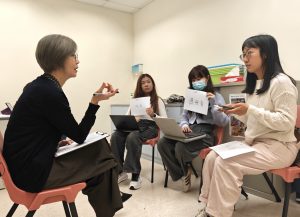
In the workplace, speech therapists not only need to provide services to the clients, but they may also encounter with different parties (e.g. parents, caregivers, medical professionals, etc) who can enhance the treatment qualities for the clients. The Interactive Oral Experience (IOE) can offer students the opportunities to handle with related parties in different scenario when working as speech therapists.
Learning Goals for the Interactive Oral Experience
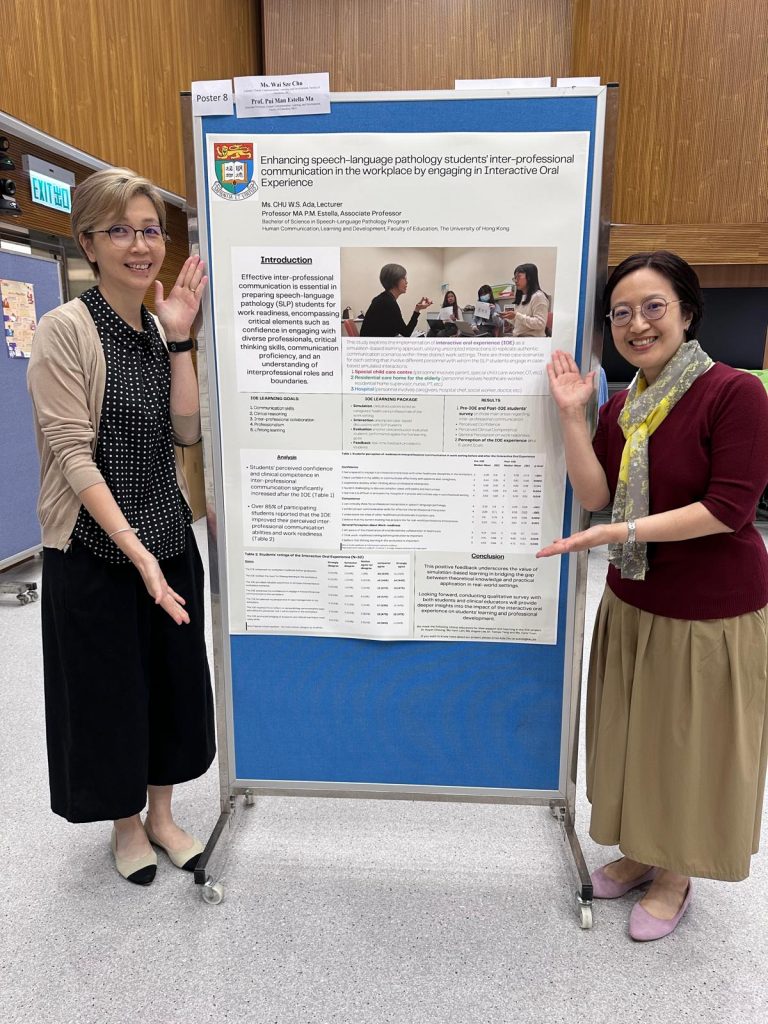
- Enhance Communication Skills: Develop effective verbal communication techniques through unscripted interactions.
- Improve Listening Abilities: Cultivate active listening skills to better understand and respond to client needs.
- Strengthen Problem-Solving Skills: Apply theoretical knowledge to real-world scenarios and case-based challenges.
Promote Holistic Care: Foster an interdisciplinary approach to care by integrating various perspectives in discussions.- Bridge Academic and Practical Knowledge: Connect academic learning with practical applications in speech-language pathology settings.